



Five Years of Societal Impact
Five years ago, AACSB incorporated societal impact into its 2020 accreditation standards, transforming the definition of quality business education and marking a fundamental shift in how schools defined their purpose and success. Since then, business schools worldwide have moved from aspiration to action, demonstrating how management education can drive meaningful change in society.
At the center of this progress are initiatives or activities—purposeful, mission-aligned initiatives through which schools apply their expertise to address societal challenges. These initiatives may generate outputs, such as programs, partnerships, research, or engagement activities, that contribute to outcomes, or changes in knowledge, behavior, and systems, and create transformation toward societal impact.
Across AACSB’s global network, societal impact is reflected in how schools contribute to people, policies, and practices. From expanding access to education and economic opportunity to advancing responsible business and environmental sustainability, schools are increasingly aligning their efforts with broader societal needs.
Drawing on five years of accreditation data, this report highlights both the scale and evolution of these efforts. It also reveals a field in transition, where schools are moving beyond documenting activity toward strengthening measurement, deepening partnerships, and more fully integrating curriculum, scholarship, and engagement with internal and external stakeholders.
As AACSB advances toward the Global Standards for Business Education™, introduced in 2026, this next phase emphasizes greater strategic alignment and clearer evidence of outcomes. Together, these developments position business education to play an even more intentional, accountable, and impactful role in addressing the complex challenges facing society.
Methodology
The data in this report are drawn from over 1,000 accreditation reports submitted by AACSB-accredited schools reviewed under the 2020 standards between July 2020 and February 2026. To support structured analysis, we used an AI-assisted process to systematically identify and tag societal impact information. We then analyzed the resulting dataset to identify patterns, insights, and trends, providing a five-year view of how business schools are advancing societal impact.
AACSB invited schools, via email outreach, to share their stories of societal impact, including supporting photos and videos. The response was overwhelming, with schools around the world contributing compelling examples of how they are driving meaningful change. To further enrich the accreditation report data, this call for submissions enabled AACSB to capture a more vivid, qualitative perspective on societal impact—bringing to life the measurable outcomes reflected in accreditation metrics.
Sponsored by:
.png?h=625&w=865&rev=4bf989e8212944989dd8dcf20c495297&hash=1A6DDD65781481645BD4996CB77ED901)
Learn more about the sponsor.

We Are the Difference We Make
| “Five years ago, we asked a simple question. What if business education could change the world?” |
Societal impact must serve as both the north star and cornerstone of management education in a world demanding purpose beyond profit. As north star, it sheds light on direction for curricula, scholarship, and leadership development toward solving humanity’s most pressing challenges. As cornerstone, it grounds all academic programs in ethical responsibility and long-term value creation. This dual commitment transforms business into a force for collective good.

Societal impact is the intentional application of our teaching, research, and engagement to advance the common good. As an “anchor institution”, the School of Business Administration at Penn State Harrisburg views this work as central to our mission, helping to shape and strengthen the economic vitality and social fabric of Pennsylvania and the broader communities we serve.

Societal impact is when business schools move beyond knowledge creation to value creation for society—through responsible graduates, impactful research, and meaningful engagement with industry and policy. Societal impact is not an outcome—it is a mindset, and ultimately, it is what will make business schools great!

Societal impact is the heartbeat of everything we do. Our mission is to develop business leaders who carry with them the skills to succeed and the values and vision to make a genuine difference in their organizations, communities, and beyond. We believe that a business education is a force for good, and that belief shapes every decision we make as a college.

Societal impact means being a transformative force that bridges academic inquiry and actionable solutions to the world’s problems, locally and globally. Business education has the responsibility to educate on how to challenge convention, push boundaries, and create new and positive impacts on society.

Societal impact is the sum of every door opened, barrier removed, and bridge built, and for me, it has never been about choosing one; it has always been about doing all of it, because the communities we serve deserve nothing less.

Societal impact calls on us to move beyond teaching and discovery alone and to translate what we know into meaningful action, creating opportunities, shaping ethical leaders, and contributing to lasting, positive change in the world.

Societal impact, to me, is the intentional use of business expertise to address real challenges facing our region—challenges such as workforce development, sustainability, and inclusive growth. As dean, I see our College of Business as an engine for triple‑bottom‑line impact, where operational excellence and responsible leadership translate into lasting benefits for the Shenandoah Valley and beyond.


Societal Impact in a Business School Context
Societal impact in business education is both intentional and multidimensional, shaped by how schools align their missions, strategies, and activities to create meaningful change. To bring greater clarity and consistency to this work, AACSB has adapted the Stockholm Resilience Centre’s “wedding cake” model into a framework tailored specifically for the business school context.
In this adapted model, societal impact is organized across three interconnected domains: People, Economy, and Environment. Each domain was divided into key subdomains that reflect the specific ways business schools contribute to human well-being, inclusive and sustainable economic development, and the stewardship of natural systems. Together, these domains and subdomains provide a structured yet flexible framework for understanding, communicating, and advancing the diverse contributions business schools make to society.
Advancing human well-being, strengthening communities, and promoting fairness.
- Well-Being: Initiatives that improve quality of life by expanding access to essential resources, such as food, health, and education, while reducing poverty and supporting lifelong learning.
- Fairness and Justice: Efforts that promote equity, inclusion, ethical leadership, equal rights, and strong institutions, enabling individuals and communities to thrive.
- Community and Infrastructure: Actions that strengthen local communities through improved access to energy, infrastructure, and safe, inclusive spaces so people can live and work productively.
Impact Story: Edinburgh Napier University
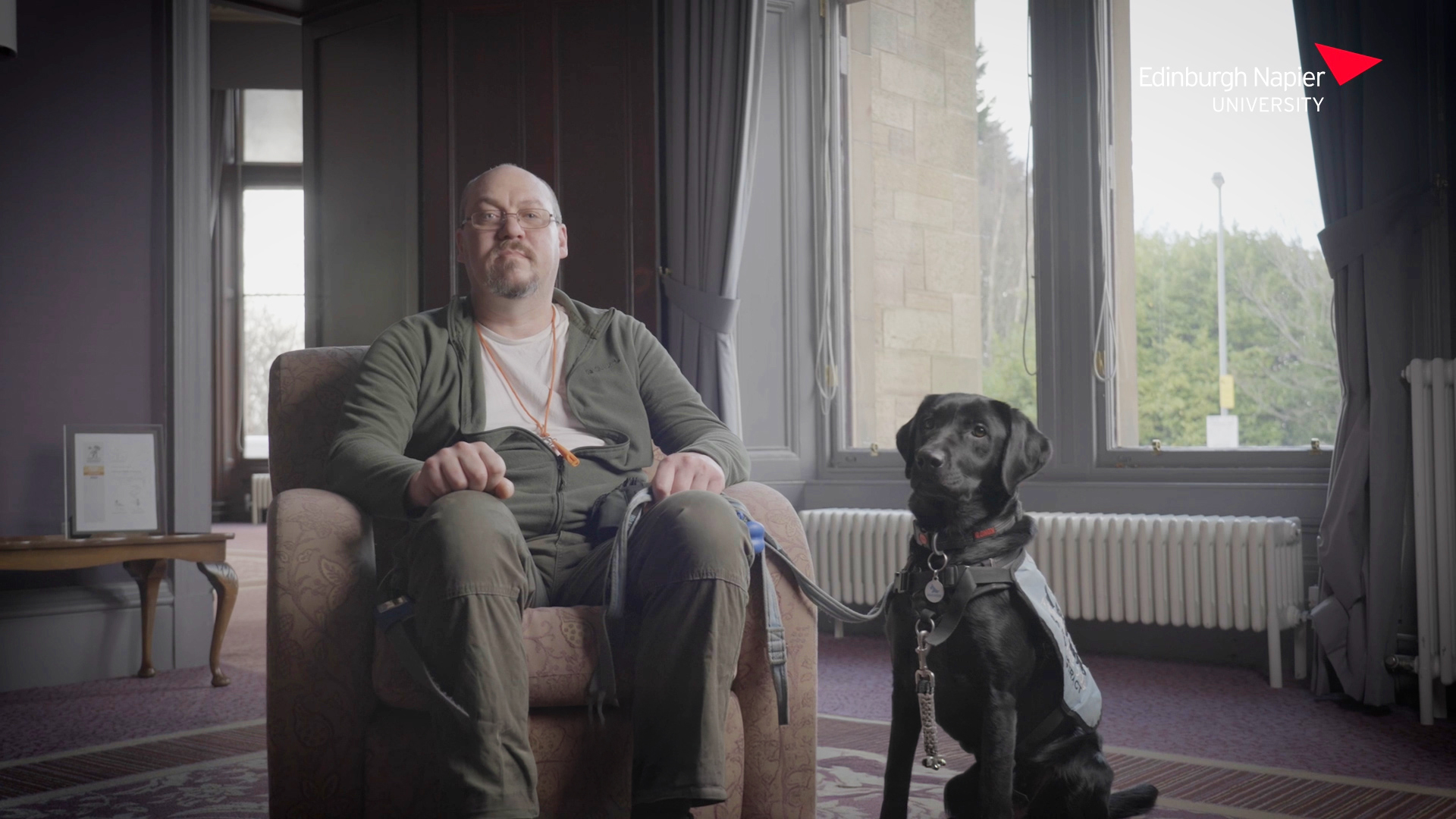
Through applied research and partnership, the Centre for Military Research Education and Public Engagement at Edinburgh Napier University Business School supported the veteran assistance nonprofit BRAVEHOUND by providing the evidence needed to demonstrate the charity’s impact and secure long-term funding. By helping the organization measure and communicate its outcomes, the school enabled BRAVEHOUND to expand its work pairing veterans with assistance dogs that provide daily stability, connection, and purpose. For many veterans, these partnerships are life-changing; they support improved mental health, renew independence, and, in some cases, save lives.

Fostering inclusive growth, innovation, and responsible business practices.
- Equal Opportunity and Economic Inclusion: Programs that expand access to quality employment, entrepreneurship, and economic mobility, reducing disparities and enabling greater prosperity.
- Growth and Innovation: Advancing research, technology, and industry partnerships that drive innovation, modern infrastructure, and sustainable economic development.
- Sustainability: Encouraging responsible production, consumption, and business models that create long-term value for organizations and society.
Impact Story: Creighton University
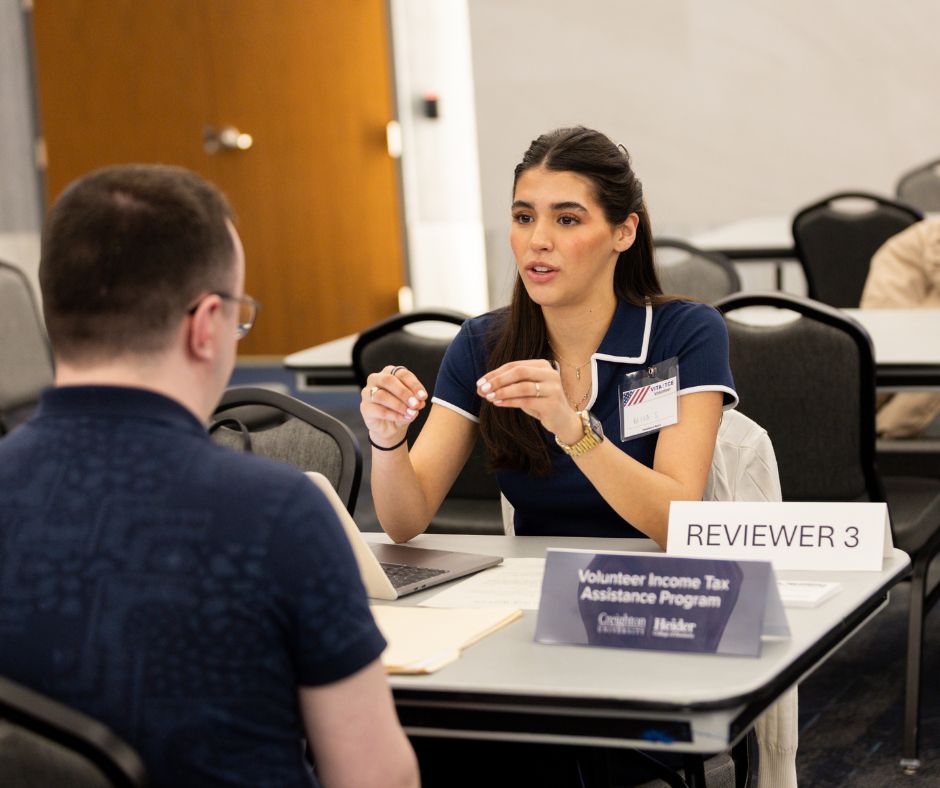
At Creighton University’s Heider College of Business in Nebraska, the Volunteer Income Tax Assistance program demonstrates sustained, measurable societal impact by expanding community reach and transforming student learning. From 2019 to 2024, Creighton students prepared 2,343 federal tax returns, securing 2.39 million USD in federal refunds for low- and moderate-income individuals and families—funds that were reinvested directly into the Omaha economy.

Protecting natural systems and strengthening resilience for future generations.
- Climate Resilience: Initiatives that address climate risks, reduce environmental impact, and prepare communities and organizations to adapt to changing conditions.
- Ecosystem Integrity: Efforts that protect biodiversity and safeguard marine and terrestrial ecosystems essential to global stability and prosperity.
- Resource Availability: Promoting responsible stewardship of vital natural resources, including water and sanitation systems that support human and ecological health.
Impact Story: National Cheng Kung University
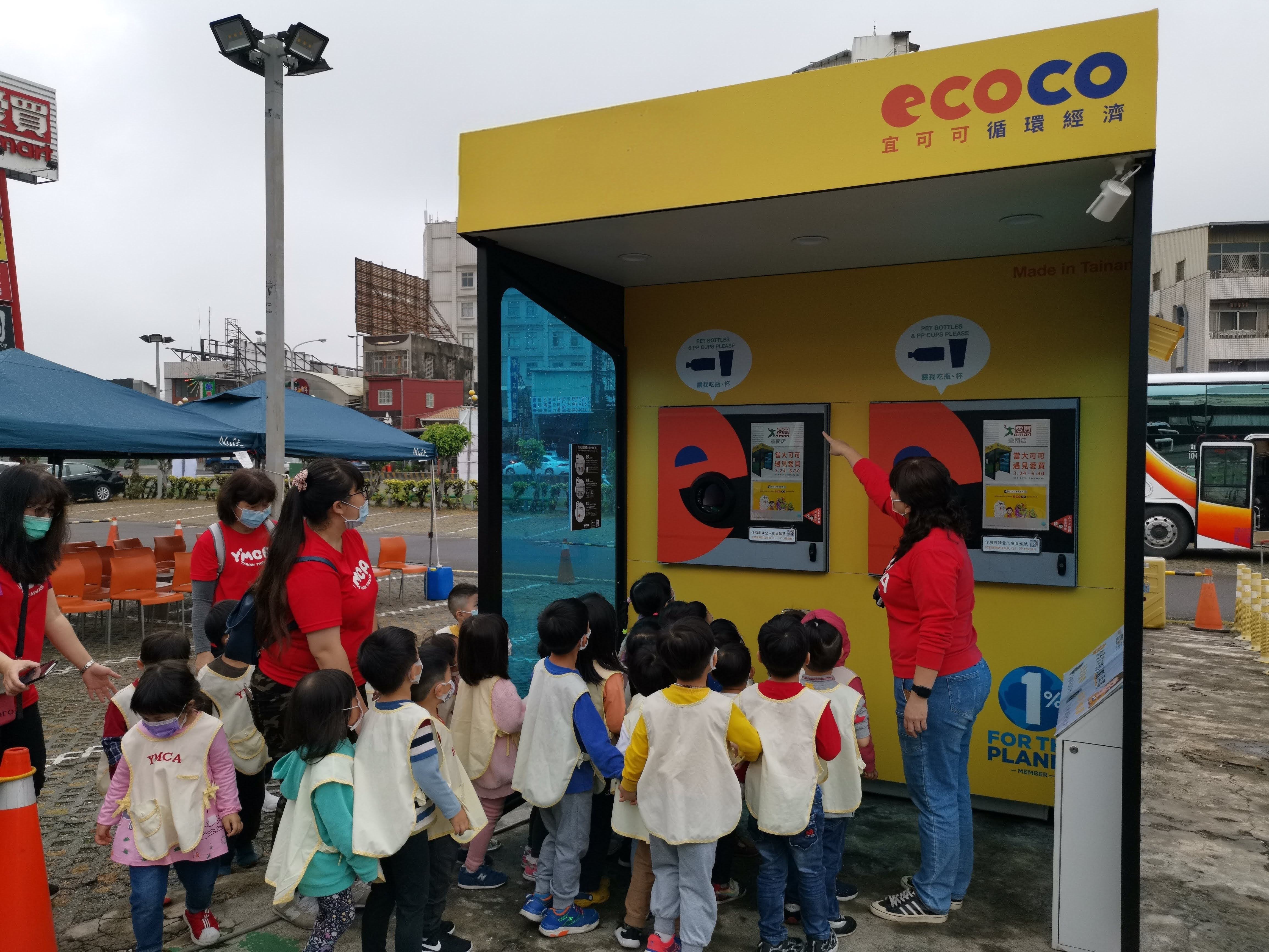
At the National Cheng Kung University in Taiwan, ECOCO AI-powered recycling machines turn environmental responsibility into an engaging, reward-based experience. Combining reverse-vending technology with a gamified mobile app, ECOCO machine placements—expanding from campuses and urban centers to rural areas and offshore islands nationwide—drive community participation in recycling materials like plastics, cans, and batteries. The initiative reflects how business school tools such as entrepreneurial strategy, behavioral design, and ESG frameworks translate into scalable, real-world impact.

Voices of Impact
Societal impact is best understood through people and their stories. The following impact stories show how schools translate their missions into meaningful action. Each example highlights how mission-aligned focus areas inspire concrete initiatives, which lead to measurable outcomes and lasting benefits for communities, organizations, and society. Together, these stories illustrate how education, research, and collaboration can drive real-world change.
Impact Story: IE Business School

The Purpose Accelerator at IE Business School boosts the school’s Next Best You strategy by fostering responsible business leadership that positively impacts the workplace, society, and the environment.
Through the school’s programs, participants apply tools such as entrepreneurial thinking, business modeling, strategy development, and impact measurement to transform purpose-driven ideas into viable initiatives that address social and environmental challenges.
Guided by the DARE framework (discover, align, realize, evolve), the Purpose Accelerator helps students translate managerial knowledge and innovation skills into real-world solutions that create positive change.
Impact Perspective: South Mediterranean University

Impact Story: Monash Business School, Monash University
Accounting researchers at Monash Business School in Australia partnered with food charity The One Box to develop a framework for measuring beneficiary outcomes that could be applied across charitable organizations.
Their research showed that accounting management practices such as budgeting, forecasting, and performance reporting helped charities maintain operational focus and coordinate responses during crisis conditions. This initiative supports thriving communities, one of the school’s societal impact focus areas.
Impact Story: University of California, Irvine
The Future Leaders Initiative applies core tools taught at UC Irvine’s Merage School of Business, such as strategic planning, leadership development, and data-driven decision-making, to address regional workforce challenges and broaden participation in the technology sector.
By preparing a more diverse pipeline of future business leaders, the initiative directly advances the school’s strategic goal of increasing access to a world-class education and the business technology ecosystem while strengthening the region’s economic growth.
Impact Perspective: NKUST

Impact Story: Universitas Prasetiya Mulya
At Universitas Prasetiya Mulya in Indonesia, the Community Development Living Lab employs activities that reflect the business school’s mission to educate learners who can deliver innovative solutions that advance businesses and society, while empowering underserved communities and promoting inclusive economic growth.
By applying practical tools such as financial management, digital marketing, and business modeling, students help entrepreneurs formalize and scale their operations while simultaneously gaining hands-on experience in solving real-world problems.
This initiative exemplifies the school’s societal impact strategy of combining education, community engagement, and entrepreneurship to create sustainable development outcomes.
Impact Story: GEM Alpine Business School
Through this project, GEM Alpine Business School students applied skills related to perspective-taking, scenario-building, and innovation facilitation to develop a toolkit that supports dialogue and strategic reflection on sustainable mountain tourism.
By delivering workshops and collaborating with local tourism stakeholders on new business models, the initiative demonstrates how GEM integrates student-led project design, institutional research, and ecosystem partnerships to create practical solutions and advance positive societal impact.
The initiative supports the school’s strategic vision to address societal and environmental challenges while fostering partnerships and experimentation that generate practical solutions for communities and organizations.
Impact Perspective: Brock University

Impact Story: INCAE
The Articulate initiative at INCAE reflects the school’s strong commitment to societal impact, with a particular focus on sustainability and inclusive development in Latin America.
Through this initiative, INCAE fosters collaboration between public institutions, private-sector actors, and civil society to advance climate action and sustainable development in the region. INCAE’s mission emphasizes the school’s contribution to the sustainable progress of the countries it serves, positioning sustainability as a core pillar of the institutional strategy.
Through Articulate, the school not only facilitates dialogue around national and regional climate agendas but also applies business school expertise—including strategic analysis, stakeholder engagement, and sustainable business transformation—to drive actionable solutions

Measuring What Matters
Over the past five years, societal impact has evolved from an emerging priority to a defining feature of business education worldwide. Since 2020, more than 1,000 AACSB-accredited schools have contributed to nearly 12,000 initiatives, reflecting broad participation across the global network.
Beyond scale, this progress signals a deeper shift in how impact is understood and advanced. Schools are strengthening institutional commitment, expanding alignment with global priorities, and increasingly focusing on how impact is measured and demonstrated. Together, these trends highlight a transition from activity to accountability, where societal impact is becoming more intentional, coordinated, and outcomes-driven.
Societal Impact in Numbers
Number of Schools Contributing to Each Domain
The above chart shows that societal impact efforts are strongest in the People and Economy domains, with the Community & Infrastructure and Growth & Innovation subdomains emerging as the highest-priority areas.
Societal Impact Initiatives by Macro Region
| Total 11,819 initiatives |
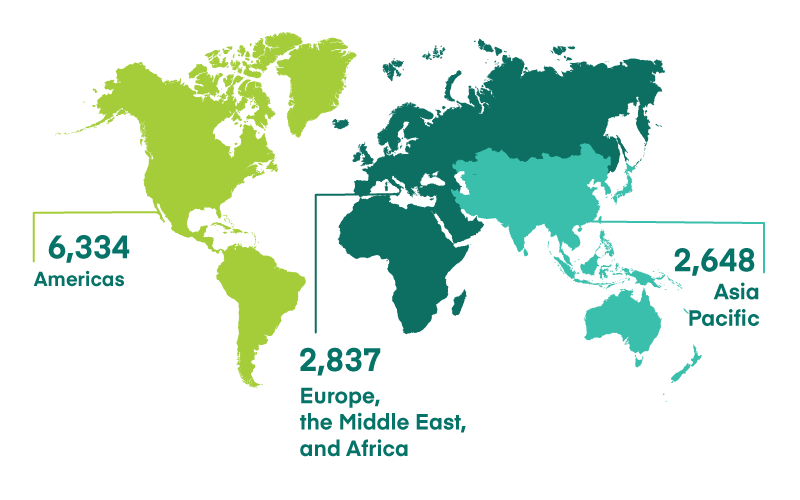
The Americas region accounts for the largest share of activity, with 6,334 initiatives across 598 schools, representing the highest overall volume of reporting. The next highest figure comes from Europe, the Middle East, and Africa, with 2,837 initiatives across 239 schools, followed by Asia Pacific, with 2,648 initiatives across 207 schools.
Institutional Integration of Societal Impact
Over the past five years, societal impact has become embedded within the core identity and operations of AACSB-accredited schools. Institutions are increasingly integrating impact across curriculum, scholarship, and engagement with stakeholders, supported by formal governance structures and dedicated resources.
This institutionalization extends beyond the school itself. Many of the efforts are also influencing public policy and decision-making through research, advisory roles, and collaboration with government and industry.
863 schools report initiatives influencing public policy or government decision-making
Together, these patterns signal a clear shift from individual initiatives to sustained, institutionwide commitment, positioning societal impact as a core capability of business education.
How schools have embedded societal impact:
- 95.5% include impact in mission
- 99.9% integrate across core activities
- 84.5% have formal leadership structures
- 92.9% allocate resources

Evolving Approaches to Measuring Societal Impact
As societal impact efforts mature, institutions are increasingly focused on how progress is defined and measured. Across AACSB-accredited schools, progress is most commonly described through the expansion of existing initiatives, increased scale and reach, and the strengthening of partnerships with external stakeholders. Many schools also point to the development of more formal measurement approaches, such as introducing KPIs, dashboards, and structured evaluation frameworks as an important step forward.
63.7% of schools assess or evaluate the effectiveness of their societal impact initiatives using defined metrics or KPIs, while others demonstrate qualitative approaches.
At the same time, the data highlights opportunities to strengthen how impact is assessed and communicated. While schools frequently report activities and outputs, fewer provide clear evidence of outcomes or long-term impact. Measurement is often fragmented across individual initiatives rather than integrated at the institutional level, and definitions of impact vary widely. In many cases, reporting relies on qualitative descriptions without consistent supporting metrics or clear links between activities and results.
Together, these patterns reflect a natural evolutionary maturation, from documenting activity to demonstrating measurable, sustained impact. As schools continue to refine their approaches, impact measurement is becoming more consistent, outcomes-focused, and aligned with institutional strategy.
Observed Strengths and Limitations in Measuring Societal Impact
Strengths |
Limitations |
|
|
The following examples illustrate how schools are moving beyond activity tracking to more structured, multidimensional approaches for measuring societal impact. While each institution takes a different approach, they share a common emphasis on combining quantitative metrics with evidence of outcomes, external validation, and clear linkages between activities and impact. Together, they illustrate emerging best practices in building more robust, credible, and transparent impact measurement systems.
- Lund University: In Sweden, the Lund University School of Economics and Management evaluates effectiveness through a chain of evidence including research volume, policy uptake, advisory roles, documented changes in organizational practice, and traceable educational effects. Future plans include a consistent documentation logic: what we did, who was involved, how broad the reach was, what changed, and what evidence supports that conclusion. This may include quantitative indicators as well as qualitative evidence such as partner feedback, policy uptake, advisory roles, follow-up collaborations, changes in organisational practice, or traceable educational effects. The aim is to strengthen consistency and transparency across cases, while recognizing that societal impact cannot always be captured by a single metric.
- IMD: IMD in Switzerland uses double materiality assessments to identify and prioritize significant impacts, risks, and opportunities; EcoVadis ratings for external assessment of sustainability performance and guidance toward sustainability improvements; the Business School Impact System (BSIS) to measure economic, social, and local impact contribution; carbon footprint audits aligned with the GHG Protocol; and gender pay gap analysis to monitor and promote equity, using Swiss Confederation methodologies.
A ‘Theory of Change’ Foundation for Measuring Impact
One in three schools use structured models, such as Theory of Change, to translate societal impact from a broad aspiration into a disciplined, measurable, and mission-driven practice. The Theory of Change framework, exemplified in the AACSB Global Standards for Business Education™, is a particularly fitting framework for business schools seeking a logical, consistent method for measuring societal impact.
With the Theory of Change framework, schools strategically identify where and how they plan to make an impact, using their unique business knowledge, skills, and abilities. They then allocate resources, conduct activities, and eventually generate outputs, outcomes, and impact. This impact is measured against the metrics established at the beginning of the project.
Activities are initiatives the school undertakes that lead to outputs (typically short-term results: one to two years); as those outputs accumulate over time, they potentially lead to outcomes (typically medium-term results—two to four years), which then grow into broader impact (five years and beyond). Truly impactful initiatives have the ability to transform lives over time. The below example shows how a school applied this framework.
Relationship Between Activities, Outputs, Outcomes, Impact, and Transformation
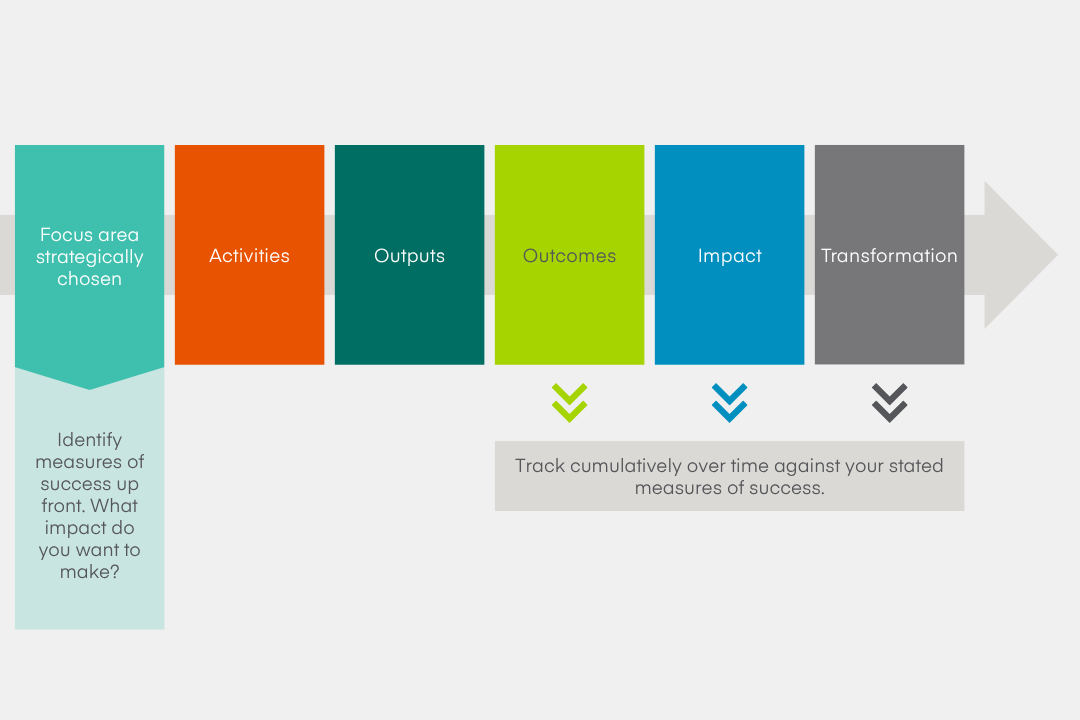
Theory of Change Exemplified
Goa Institute of Management: Institutionalized Societal Impact Model
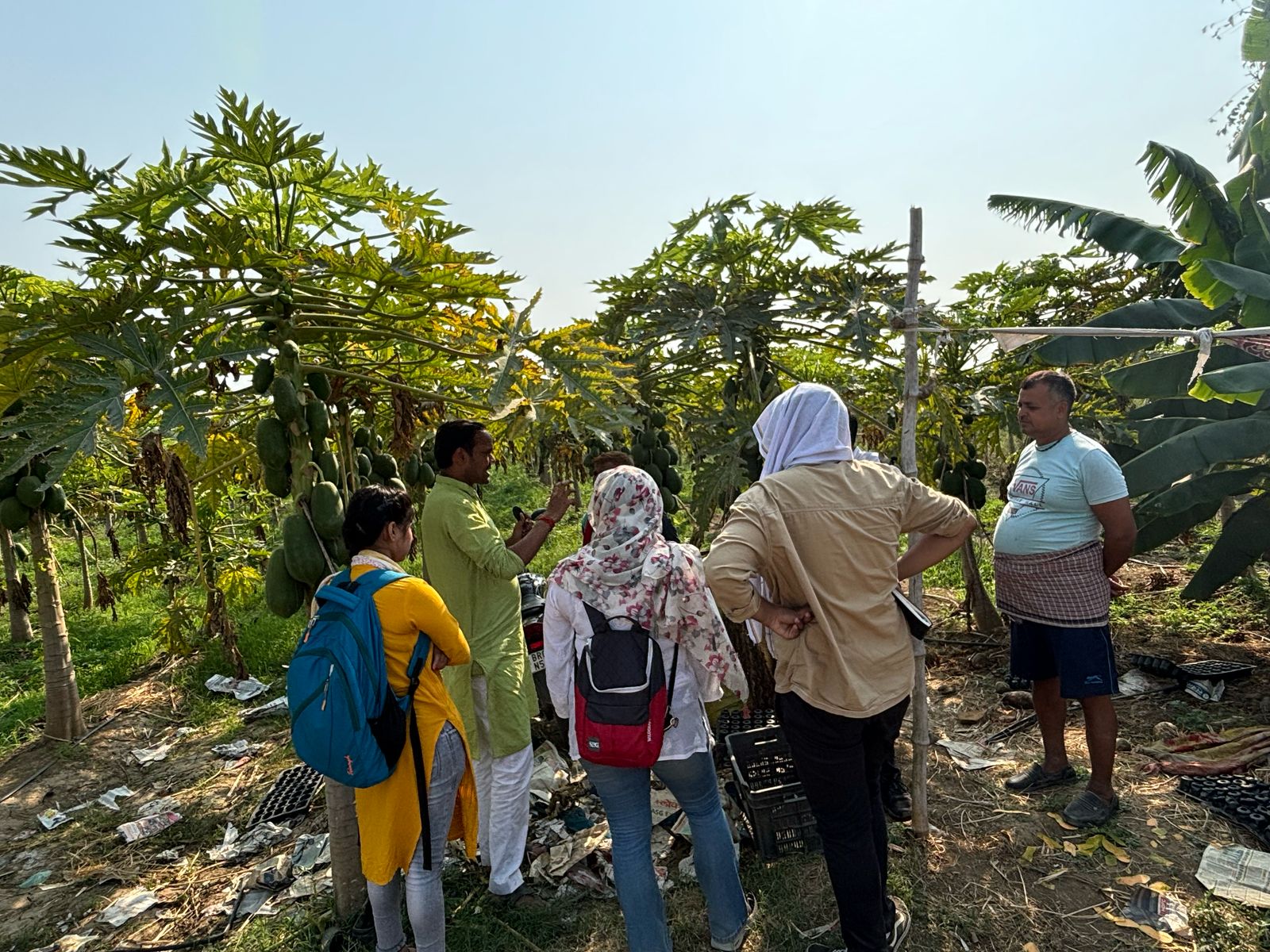
Societal Impact Focus Areas: inclusive development, quality education, public health, financial inclusion, environmental sustainability
Institutional Commitment:
- Mandatory Service-Learning and Rural Immersion program
- 14 years of continuous program delivery
- 620 projects, more than 372,000 hours, over 3,720 students
- Societal Impact partnerships with NGOs, Farmer Producer Organizations, government entities, corporations)
Intent: To strengthen communities and develop responsible leaders.
Applied Management in Action:
- Financial literacy and digital inclusion drives
- Farmers market access and geographical indication (GI) certification support
- Accessibility audits for ATMs and public infrastructure
- Health awareness and scheme mobilization
- NGO digitization and strategy development
- Waste, water, and circular economy initiatives
Business School Tools Used: strategy, finance, analytics, value chain analysis, ESG frameworks, process optimization
- Awareness campaigns delivered
- Digital and financial inclusion expanded
- Sustainable farming practices introduced
- Educational materials developed
- NGO systems digitized
- Community engagement strengthened
Community:
- Stronger FPO market access
- Improved financial discipline within women’s self-help groups
- Demonstrated gains in digital literacy among women participants
- GI tag awarded to Goan cashew due to student-supported filing process
- Accessibility improvements initiated
Institution and Students:
- Service learning embedded in curriculum
- ESG integrated across courses
- Alumni entering CSR, ESG, and sustainability leadership roles
Ecosystem: Sustained development network strengthening governance, livelihoods, and inclusion.
Institution: Societal impact embedded in Goa’s DNA, reporting, and global commitments.
Leadership Pipeline: Over 3,720 graduates equipped to integrate profitability with purpose.
The GiveGoa initiative at the Goa Institute of Management is a service-learning program that integrates community engagement into the core curriculum, requiring students to work directly with nonprofits, public organizations, and underserved communities.
Through hands-on projects in areas such as education, public health, and social welfare, students apply business skills to real-world challenges while developing a deeper sense of social responsibility.
By combining academic learning with practical action, the initiative creates meaningful improvements in local communities and prepares future leaders to drive positive change in society.

Thematic Insights
Across AACSB’s accredited schools, societal impact is shaped by both shared thematic priorities and regional context. Common areas such as education, economic development, and partnerships define how institutions approach impact, while differences in emphasis and execution reflect diverse regional needs and strategies. This section highlights the key themes that underpin societal impact efforts globally, alongside regional variations in focus, approach, and engagement, illustrating how business schools translate common goals into locally relevant and globally significant impact.
Thematic Insights Across the Global Network
Within AACSB’s global network, several consistent patterns emerge in how societal impact is defined and delivered.
Societal Impact Is Inherently Multifaceted
AACSB-accredited schools engage in an average of 2.6 domains, or societal impact focus areas, with 99.5 percent working in multiple areas, reflecting the interconnected nature of today’s global challenges.
Three core areas consistently define institutional activity:
- Expanding access to education and capacity building
- Supporting economic development and entrepreneurship
- Engaging through partnerships with communities, industry, and government
Institutional priorities align closely with workforce development, education, and economic inclusion, consistent with the patterns outlined in the previous section on “Measuring What Matters.” In contrast, environmental priorities show greater variation across institutions, indicating a less even emphasis globally.
Partnerships underpin nearly all societal impact efforts, serving as the primary mechanism through which schools extend their influence and co-create solutions.
Together, these patterns highlight a model of impact that is collaborative and grounded in the core strengths of business education.
Across all regions, societal impact activity is strongly concentrated in the People and Economy domains, with near-universal representation in both areas. The primary point of differentiation is in the Environment domain, where EMEA shows the highest level of engagement at 86.31 percent, followed by Asia Pacific at 72.95 percent, and the Americas at 49.08 percent, demonstrating relatively lower representation.
Regional differences are also evident in how schools conceptualize and communicate societal impact:
- Schools in the Americas emphasize doing (activities and engagement)
- Schools in Asia Pacific emphasize designing and scaling (strategy and systems)
- Schools in EMEA emphasize defining purpose (values and global responsibility)

The Future of Societal Impact in Business Education
Strengthening Standard 9
As AACSB moves toward adoption of the Global Standards, Standard 9: Societal Impact and Engagement reflects a continued evolution in how business schools define and demonstrate their value to society. Building on the foundation established in the 2020 standards, the revised standard provides greater clarity, flexibility, and alignment with the diverse missions of AACSB-accredited schools worldwide.
A central enhancement to Standard 9 is the increased emphasis on strategic alignment. Schools will be expected to clearly articulate how their societal impact and engagement activities are intentionally connected to their missions and strategic priorities. This new emphasis reflects a shift from viewing impact as a collection of activities or “good deeds” disconnected from business school strategy, skills, and expertise to positioning it as a coordinated and purpose-driven element of the school’s overall strategy.
In response to member feedback, the 2026 version of Standard 9 introduces greater flexibility in defining and demonstrating impact. AACSB recognizes that societal needs, institutional missions, and regional contexts vary significantly across its global membership. The revised standard allows schools to define societal impact in ways that are authentic to their contexts while still expecting that such efforts are substantive, mission-driven, and clearly articulated.
At the same time, the standard provides clearer expectations regarding evidence and continuous improvement. Schools will be expected to demonstrate not only what they are doing but also how they assess the effectiveness of their efforts and use that insight to enhance their impact over time. This change reinforces a continuous improvement mindset while avoiding overly prescriptive measurement requirements.
Finally, Standard 9 more explicitly affirms that societal impact is integral to quality business education. It connects directly to how schools prepare graduates, inform responsible business practices, and contribute to addressing complex challenges facing organizations and communities. In doing so, the standard underscores AACSB’s commitment to ensuring that accredited schools remain relevant, responsive, and forward-looking.
As schools prepare for the transition to the Global Standards, Standard 9 offers an opportunity to more clearly define their distinctive contributions and to strengthen the intentionality, coherence, and visibility of their societal impact efforts.
Emerging Direction: From Intent to Action
Across AACSB-accredited schools, forward-looking intent around societal impact is nearly universal. Analysis of accreditation reports shows that 98.9 percent of institutions articulate future plans, targets, or commitments related to societal impact measurement or program expansion, signaling a clear shift from establishing impact foundations to scaling and strengthening them over time.
These future-focused priorities reflect several consistent directions. Many schools are focused on expanding existing initiatives, building on proven models to increase reach, scale successful programs, and extend impact into new contexts. At the same time, institutions are strengthening measurement and evaluation practices, with growing emphasis on defining key performance indicators, implementing more structured tracking systems, and developing dashboards or frameworks to better assess outcomes over time.
Schools are also deepening external engagement through expanded partnerships with industry, government, and nonprofit organizations, recognizing collaboration as a critical pathway to amplifying impact. In parallel, there is continued movement toward embedding societal impact more fully into institutional strategy and operations, including curriculum design, research agendas, and engagement with stakeholders.
Together, these trends indicate a maturing approach to societal impact—one that moves beyond individual initiatives toward more integrated, measurable, and system-level contributions aligned with each school’s mission.

About the SponsorMarketplace Simulations has shaped more than 1.6 million future business leaders through immersive, competitive learning games. Their Conscious Capitalism® Simulation has challenged over 125,000 students to build virtual businesses that create profits and benefit all stakeholders. They take on real business tasks, such as product development, marketing, manufacturing, and financial management. The live competition between students sparks real engagement and deep learning. Students quickly discover that business decisions affect more than just the bottom line. Pricing, sourcing, product design, and employee policies all influence the long-term health of the company and the well-being of its stakeholders. The simulation gives them a safe place to experiment, make mistakes, and see the consequences of their choices. In addition to Conscious Capitalism, Marketplace is home to more than 30 highly realistic simulations in business fundamentals, strategic marketing, venture strategy, and corporate management. Each simulation puts students in charge of running a company in a fast-moving market where they must analyze data, make strategic decisions, respond to customers’ feedback, and adapt to competitor moves. Its Microsimulation line teaches sophisticated business concepts and principles in 25 minutes or less. These microlearning modules make it easy to introduce key ideas or reinforce them over time. As business schools place greater emphasis on societal impact and responsible leadership, simulations give students a practical way to explore these ideas. They go beyond discussions, taking on the real-world challenges, limitations, and nuances all business leaders must face. In addition to Conscious Capitalism, Marketplace offers more than 30 simulations across core business disciplines. Explore the full catalog today. |